
Artistic Landscape Features Addresses Circulation Planning and Material Selection
Tinton Falls, United States – January 30, 2026 / Artistic Landscape Features – Tinton Falls /
Artistic Landscape Features has published guidance addressing landscape pathway design and planning for residential properties in Tinton Falls and surrounding central New Jersey communities. The resource examines circulation patterns, material selection for pedestrian use, pathway integration with gardens and outdoor living areas, and design approaches that enhance both function and aesthetic appeal.
The company’s content on custom walkway design for yards provides information for property owners planning pathway systems that connect outdoor spaces effectively while contributing to overall landscape character.
What Happens When Properties Lack Deliberate Pathway Design
Properties without deliberate pathway planning develop worn grass areas where people naturally walk, creating informal paths that may not serve intended uses well. These organic circulation patterns often take inefficient routes, create maintenance challenges, and fail to highlight landscape features worth showcasing.
Thoughtfully designed pathways guide visitors through outdoor spaces along intended routes, protect lawn areas from excessive foot traffic, provide stable all-weather access to various property zones, create visual rhythm and flow that enhances landscape composition, and frame views of garden areas worth emphasizing.
Properties in Tinton Falls and central New Jersey face specific considerations for pathway planning. Seasonal weather including rain, snow, and freeze-thaw cycles requires materials and construction methods that maintain safe, stable walking surfaces year-round. The relationship between pathways and existing mature trees, garden beds, and hardscape features affects both design possibilities and construction approaches.
Homeowners often struggle with questions about appropriate pathway width, suitable materials for different uses and aesthetics, whether pathways should follow straight lines or curves, and how to integrate pathways with existing landscape features.
How Route Selection Affects Both Function and Garden Experience
Effective pathway design begins with understanding how people actually move through outdoor spaces. Primary pathways connecting frequently used areas like front entrances, driveways, garages, and back doors require different specifications than secondary pathways leading to garden areas or seating zones.
Primary pathway width typically ranges from 4 to 5 feet, allowing two people to walk comfortably side by side and accommodating occasional wheeled equipment movement. Secondary pathways serving lighter traffic can be narrower, often 2 to 3 feet wide, which feels appropriate for single-file garden exploration.
Route selection involves both practical and aesthetic considerations. The most direct route serves functional needs but may not create the most interesting journey or best showcase landscape features. Gentle curves slow the pace, create anticipation about what lies ahead, and allow pathway borders to feature varied plantings that change as visitors progress.
Properties with elevation changes require pathway grades that remain comfortable and safe for walking. Slopes exceeding 5 percent become noticeably steep. Those approaching 10 percent may require steps or switchback designs. The relationship between pathway routes and existing drainage patterns affects both pathway longevity and surrounding landscape health.
Pathway intersections warrant deliberate attention. Where pathways meet patios, driveways, or other hardscape features, clear transitions help define spaces while maintaining cohesive design. Junction points where multiple pathways converge may benefit from widened areas that accommodate brief pauses without blocking through traffic.
Matching Materials to Intended Use and Aesthetic Goals
Unlike driveways supporting vehicle loads, pathways need only accommodate foot traffic, allowing broader material options based on aesthetic preferences, budget parameters, and desired formality level.
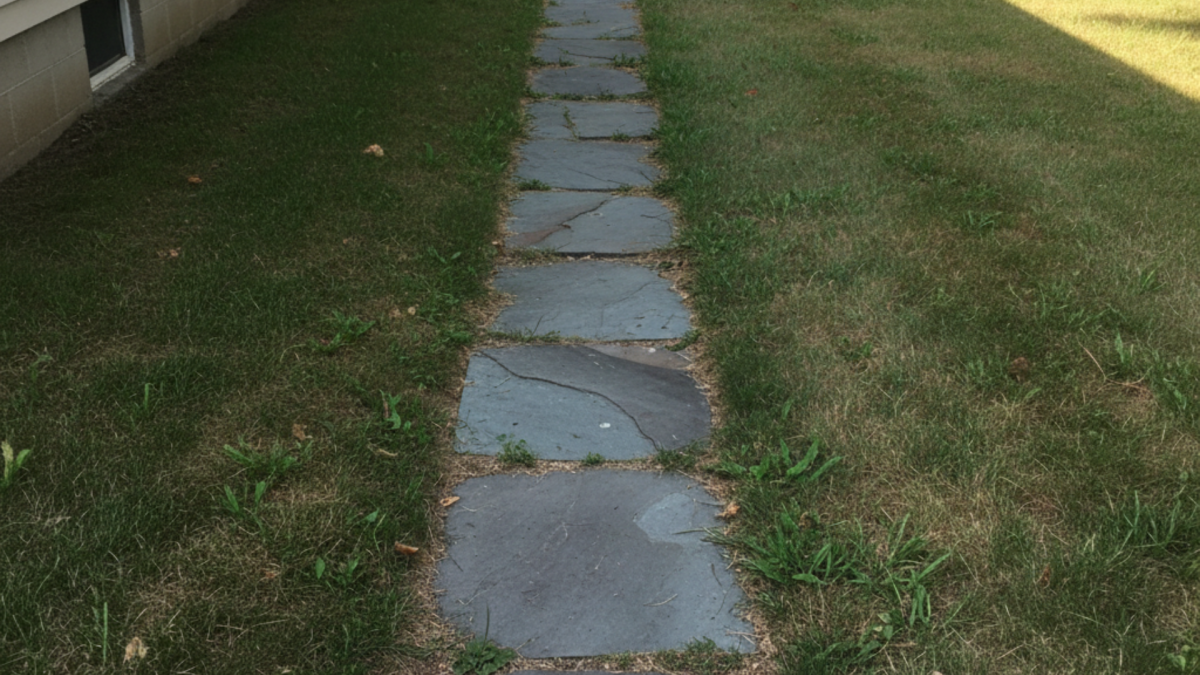
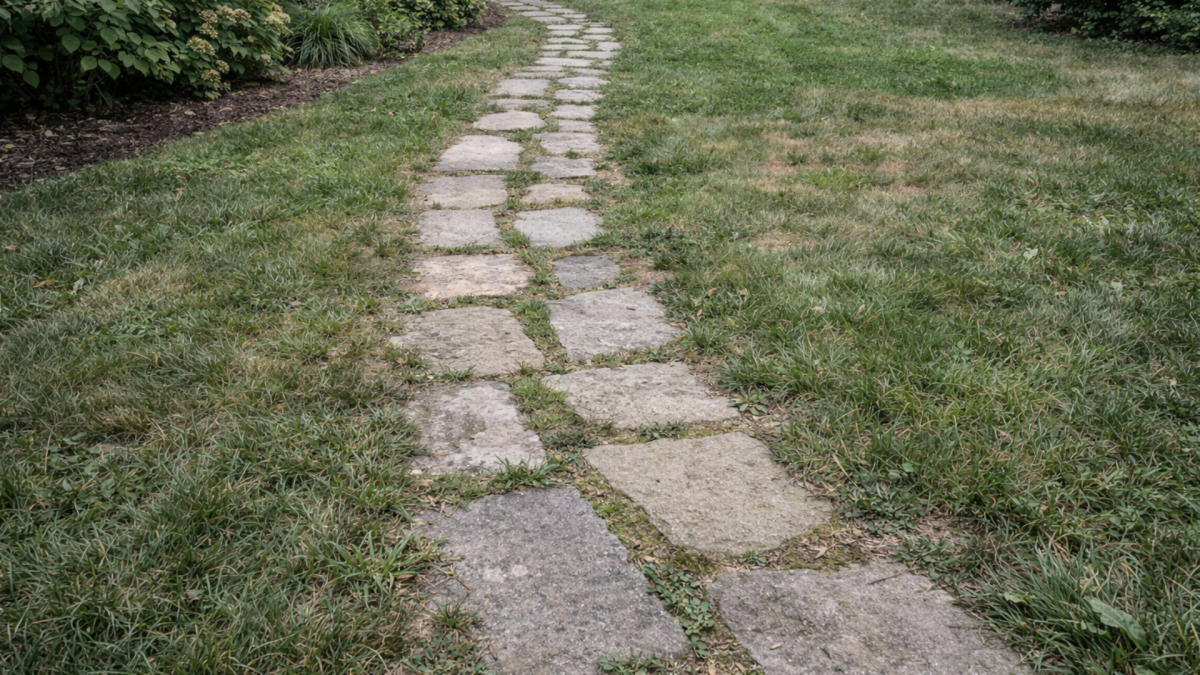
Natural flagstone creates organic, irregular patterns that suit informal gardens and naturalistic landscapes. Flagstone pathways can be set in sand for softer appearance or mortared for more formal installations. Regional stone types provide color and texture variations that complement different architectural styles.
Paver pathways using concrete or clay pavers offer design flexibility through various patterns, colors, and shapes. Modern paver options include products mimicking natural stone appearance with manufactured consistency. Properly installed paver pathways with adequate base preparation and edge restraint provide stable, long-lasting walking surfaces.
Gravel or crushed stone pathways suit informal settings and garden areas where softer appearance is desired. These pathways require edge definition to prevent material migration and periodic replenishment. Gravel pathways provide excellent drainage but can be challenging for wheeled equipment and may not suit properties where snow removal is necessary.
Stepping stone pathways through lawn or garden areas create lighter visual impact than continuous hard surfaces. Individual stones placed at comfortable stride intervals allow grass or groundcover to grow between stones, maintaining some planted area while providing defined walking routes.
How Pathway Decisions Influence Surrounding Landscape Success
Artistic Landscape Features approaches pathway planning as integral to comprehensive landscape design rather than isolated circulation features. Pathways function most effectively when designed in coordination with patio areas, planting beds, outdoor lighting systems, and overall property character.
Pathway borders present opportunities for distinctive plantings and softscapes that enhance the walking experience and define pathway edges. Low-growing perennials, ornamental grasses, and groundcovers appropriate for central New Jersey climate create visual interest while softening hardscape edges. Plant selections consider mature sizes, maintenance requirements, and whether border plantings will encroach on pathway width as they grow.
The relationship between pathways and existing trees requires careful consideration during planning. Tree roots near surface level can disrupt pathway surfaces over time, creating uneven walking areas and maintenance challenges. Pathway routes that respect tree root zones maintain tree health while avoiding future structural problems.
Outdoor lighting transforms pathway function and safety after dark. Well-designed pathway lighting illuminates walking surfaces without creating glare, highlights landscape features along routes, and extends comfortable outdoor use into evening hours.
What Coastal New Jersey Conditions Mean for Pathway Construction
Properties throughout Tinton Falls benefit from landscape pathway designs that account for local soil conditions, typical drainage patterns, and seasonal weather patterns common to coastal New Jersey. Clay soils prevalent in parts of the region require adequate base preparation to prevent pathway settling or heaving during freeze-thaw cycles.
Pathway construction timing affects both installation ease and landscape impact. Spring and fall typically provide optimal conditions for pathway installation, with moderate temperatures and manageable soil moisture. Planning pathway projects in coordination with other landscape work creates efficiencies and ensures cohesive design implementation.
Understanding How Homeowners Actually Use Their Outdoor Spaces
The company emphasizes understanding how property owners actually use their outdoor spaces before finalizing pathway routes and specifications. This established landscape design company in the area works with homeowners to identify circulation patterns, prioritize connections between key areas, and balance functional needs with aesthetic goals.
Project planning includes discussing maintenance expectations for different material types, explaining how pathway decisions affect surrounding landscape areas, and coordinating pathway installation with related services when appropriate. Transparent communication about site conditions helps property owners make informed decisions aligned with their priorities and budgets.
How Pathway Decisions Connect to Broader Landscape Planning
Pathways rarely exist in isolation. They connect to patios, interact with drainage systems, frame planting beds, and determine how outdoor spaces relate to one another over time. Homeowners who treat pathway planning as part of comprehensive landscape development rather than a standalone project typically achieve more cohesive, functional results that adapt better as their property use evolves.
Planning pathways before addressing other hardscape features prevents scenarios where pathway routes must awkwardly navigate around elements installed without circulation in mind. Similarly, considering pathway needs during patio or outdoor kitchen design ensures smooth transitions between spaces and appropriate access from multiple directions.
For property owners in Tinton Falls and central New Jersey considering pathway installations, Artistic Landscape Features offers consultations that examine how circulation fits within overall landscape goals. Property evaluations and project discussions can be arranged by calling 609-798-2364 or through alflandscape.com.

Contact Information:
Artistic Landscape Features – Tinton Falls
44 Apple St
Tinton Falls, FL 07724
United States
Contact Artistic Landscape Features
https://alflandscape.com/tinton-falls-nj/


Original Source: https://alflandscape.com/media-room-tinton/
