
Rock Solid Landscape Explains Why Design Investment Protects Project Outcomes in Northern Nevada
Reno, United States – January 30, 2026 / Rock Solid Landscape /
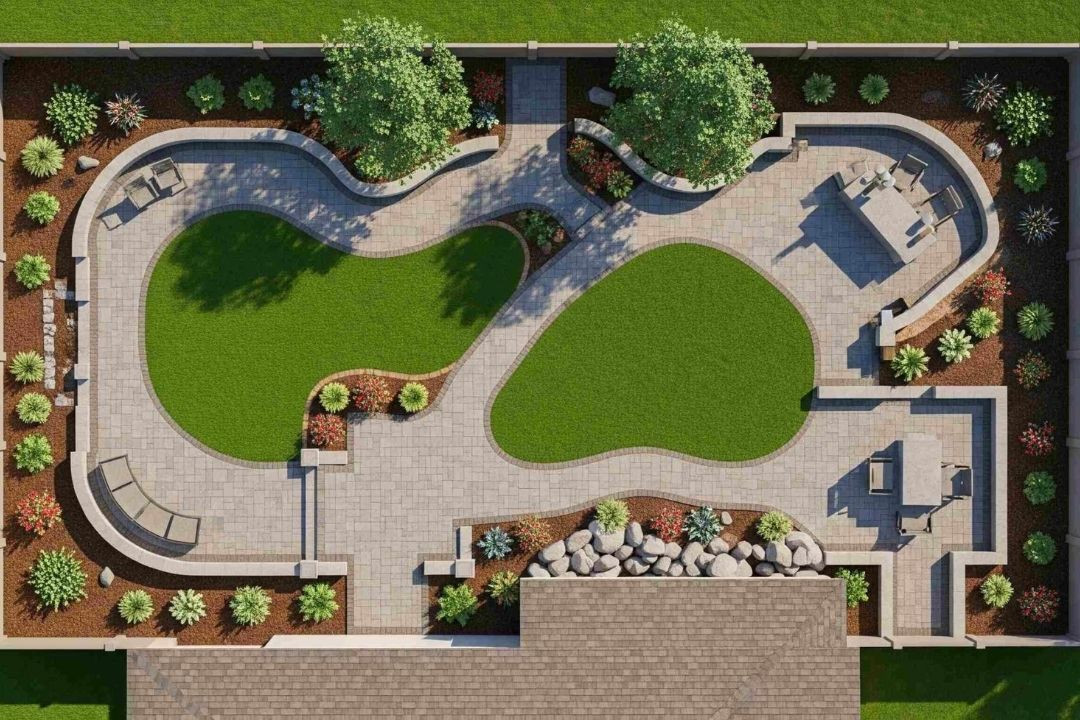
Homeowners planning outdoor improvements face an important early decision that significantly influences project outcomes. Should they invest in professional landscape design services before installation begins, or move directly to construction based on general ideas and contractor suggestions? This choice affects everything from final project costs to long-term satisfaction with outdoor spaces. Rock Solid Landscape recently examined what homeowners should know about landscape rendering before starting installation work.
The appeal of skipping design services seems obvious initially. Eliminating this expense appears to reduce overall project costs while accelerating the timeline from concept to completion. Many property owners believe they can describe their vision clearly enough that contractors will understand and execute it properly without formal drawings or renderings. This assumption creates risk that becomes apparent only after installation has begun.
Why Design Decisions Cannot Wait Until Installation Begins
Many homeowners underestimate the complexity involved in creating functional outdoor living spaces. They envision a patio, outdoor kitchen, or fire feature without fully considering how these elements interact with existing site conditions, utilities, drainage patterns, and architectural style. Without comprehensive planning, these oversights become expensive problems during construction.
Budget uncertainty represents one of the most common challenges when projects proceed without detailed design work. Homeowners receive estimates based on general concepts rather than specific plans. As the project progresses, they discover that achieving their vision requires additional materials, more extensive grading, or different installation methods than originally anticipated. These revelations lead to difficult conversations about scope changes and cost increases.
Site conditions frequently reveal complications that proper design work would have identified earlier. Utility lines may run through areas intended for deep excavation. Drainage problems might require solutions that affect the available space for hardscaping. Soil conditions could necessitate different foundation approaches than standard installations require. Discovering these issues during construction creates delays and forces compromises that diminish the final result.
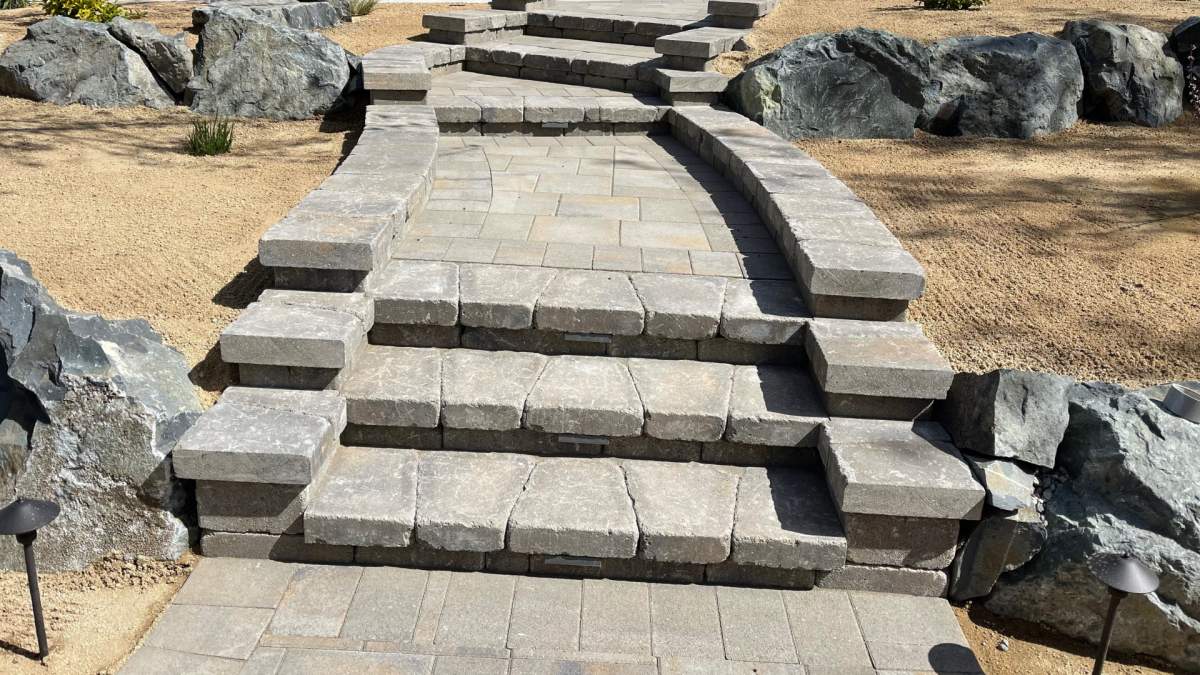
The relationship between different landscape elements requires careful coordination that informal planning cannot provide. Irrigation system placement affects where paving can occur. Lighting requirements influence electrical planning. Retaining wall locations determine how outdoor steps must be configured. Fire features need proper clearances from structures and adequate utility access. Without integrated design, these components compete for space rather than working together cohesively.
Material selection becomes significantly more challenging without visual design tools. Homeowners struggle to envision how different paver colors, wall textures, or stone selections will appear once installed. They make decisions based on small samples that don’t accurately represent the visual impact at scale. Professional renderings eliminate this guesswork by showing exactly how materials will look in the actual space.
How Design Investment Shapes Project Execution and Results
Accurate budgeting depends on knowing precisely what will be installed. Detailed plans specify quantities for all materials, identify grading requirements, and clarify the labor involved in each project phase. This specificity allows contractors to provide firm pricing rather than rough estimates subject to significant adjustment. Homeowners can then make informed decisions about scope before committing to construction.
Permit applications require detailed drawings in most municipalities. Projects involving retaining walls, outdoor structures, electrical work, or significant grading cannot proceed without approved plans. Attempting to develop these documents during the installation process creates delays and may require changes to work already completed if plans don’t meet code requirements as submitted.
Construction sequencing benefits enormously from having complete plans available from the start. Crews know exactly where to excavate, what depths are required, and how different trades must coordinate their work. This clarity prevents the common problem of one trade creating obstacles for another, which forces rework and extends timelines unnecessarily.
Design services identify opportunities to maximize property potential that homeowners might not recognize independently. A skilled designer notices how grade changes could create additional usable space, where strategic planting would provide privacy or shade, or how rerouting pathways would improve traffic flow. These insights emerge from experience with hundreds of properties and understanding how outdoor spaces function for daily living.
The permanence of hardscaping makes planning especially critical. Unlike interior rooms where furniture can be rearranged and paint colors easily changed, outdoor structures remain fixed once installed. Correcting poor layout decisions requires demolition and reinstallation at considerable expense. Professional design ensures the first installation achieves the intended result without need for costly corrections.
Evaluating Projects Through Realistic Implementation Standards
The approach to new projects begins with understanding what homeowners hope to accomplish and how their property will be used. Rock Solid Landscape evaluates these goals against site realities, budget parameters, and practical construction considerations. This assessment reveals whether initial concepts are feasible as imagined or require modification to succeed.
Technical factors play a substantial role in determining appropriate solutions. Soil bearing capacity influences foundation requirements for walls and structures. Existing drainage patterns affect where water features can be located and how grading must be managed. Proximity to property lines determines setback compliance for structures and height limitations for walls.
The integration of multiple systems requires coordination that comprehensive planning facilitates. Combining paver patios with outdoor kitchens, fire pits, irrigation, and lighting demands careful attention to how each element affects the others. Utility routing must avoid conflicts. Structural foundations must not interfere with drainage. Material transitions must appear intentional rather than awkward.
Client communication improves dramatically when visual representations show exactly what will be built. Renderings eliminate the ambiguity of verbal descriptions and prevent misunderstandings about scale, materials, or layout. This clarity builds confidence and reduces the anxiety many homeowners feel when committing to significant investments.
Property Characteristics That Influence Design Complexity
Northern Nevada properties present diverse conditions that affect planning requirements. Sloped lots need careful grading analysis and may require retaining walls to create level areas. Rocky soil complicates excavation and foundation work. Areas with high water tables require enhanced drainage solutions. These variables make standardized approaches inappropriate and highlight why customized design and rendering services matter for project success.
Architectural style influences appropriate landscape design choices. Contemporary homes benefit from clean lines and minimalist hardscaping. Traditional architecture pairs well with classic materials and formal layouts. Matching outdoor spaces to the home’s character creates visual harmony that enhances overall property appeal.
Communication Philosophy and Regional Understanding
The commitment to clear project communication starts during initial consultations and continues through final installation. Regular updates about progress, transparent discussion of any site challenges discovered, and willingness to explain technical decisions help property owners feel informed and confident throughout the process.
Understanding local conditions comes from sustained engagement with properties throughout Reno, Sparks, Carson City, and surrounding areas. This experienced Northern Nevada landscape provider has developed familiarity with soil types common to different neighborhoods, drainage patterns typical of various elevations, and permitting requirements specific to each municipality.
Respect for homeowner investment drives careful attention to every project detail. These outdoor improvements represent substantial financial commitments that deserve thorough planning and precise execution. Taking time to develop complete designs before installation begins demonstrates this respect and protects the investment from preventable problems.
Avoiding Problems Through Thorough Upfront Planning
Homeowners who proceed without professional design services frequently encounter setbacks that proper planning would have prevented. Budget overruns, construction delays, permit complications, and disappointing final results stem from inadequate preparation more often than from contractor performance issues. These problems damage both financial outcomes and homeowner satisfaction with spaces they’ll use for years.
The relatively modest investment in design services provides substantial protection against far more expensive correction costs. Understanding exactly what will be built, how it will function, and what it will cost before committing to construction allows confident decision making. Rock Solid Landscape provides design consultations to help property owners evaluate their projects realistically.
Contact Information:
Rock Solid Landscape
1423 S Arlington Ave
Reno, NV 89509
United States
Contact Rock Solid Landscape
(775) 618-0621
https://rocksolidnv.com/

Original Source: https://rocksolidnv.com/media-room
